Who should control Reconstruction, and how far should it go?
Republicans agreed that the Union must be restored and slavery ended, but divided over the terms of readmission, the rights of the freedpeople and whether the president or Congress should lead.
Radical Republicans
Thaddeus Stevens, Charles Sumner, Benjamin Wade and their allies argued that Congress, not the president, must set the terms of return, and that freedpeople needed the vote, federal protection and, in Stevens’s view, land confiscated from leading Confederates. Their Wade–Davis Bill of 1864 would have required a majority of a state’s white men to swear loyalty before it could form a new government.
Moderate Republicans
Moderates such as Lyman Trumbull, William Pitt Fessenden and John Sherman sought to secure basic civil rights and national authority while restoring the states quickly. They wrote the Civil Rights Act of 1866 and the Fourteenth Amendment, but at first hesitated over Black suffrage and rejected land confiscation.
Lincoln and Johnson
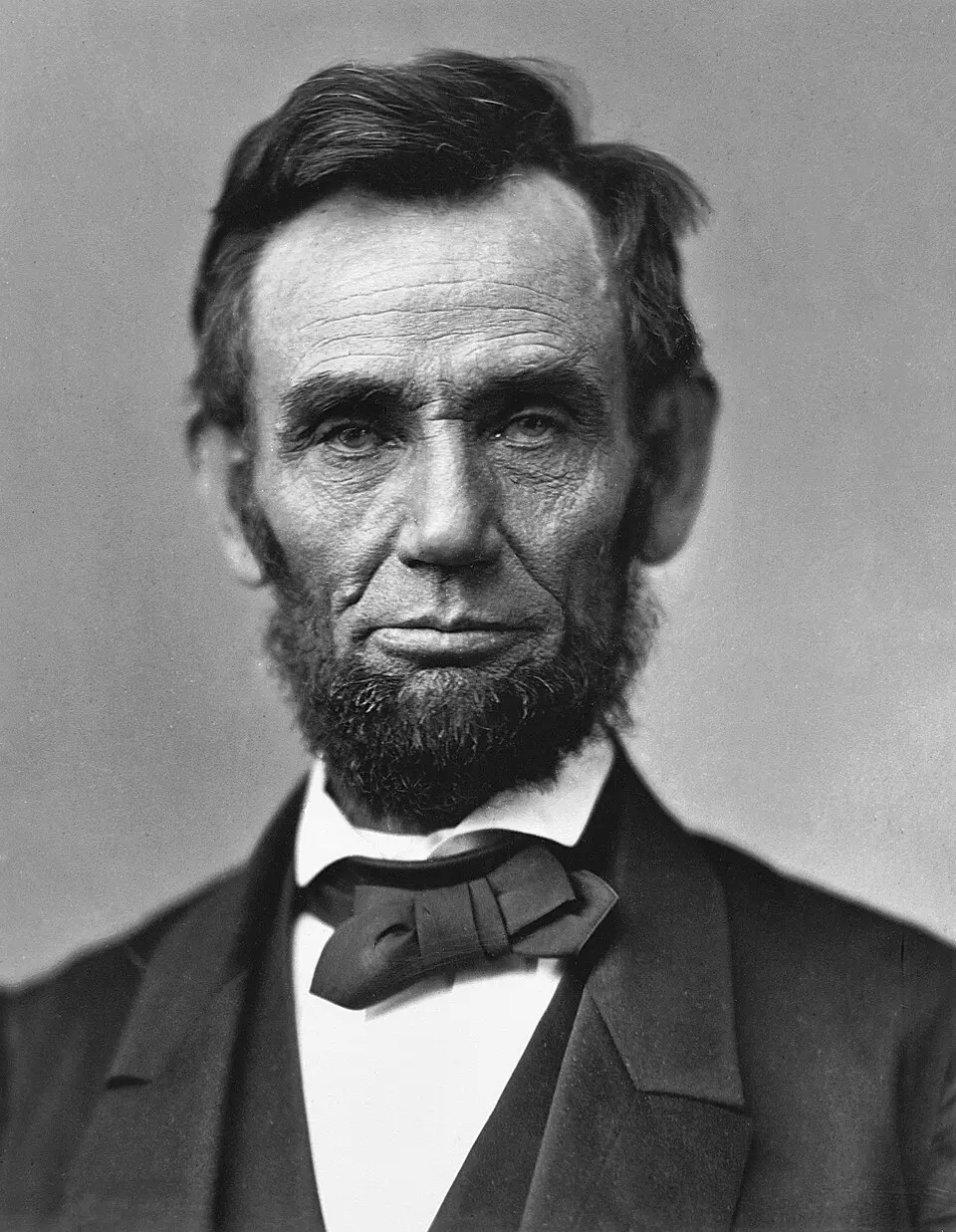
Lincoln’s 1863 plan offered readmission once ten percent of a state’s 1860 voters swore loyalty and accepted emancipation, and he pocket-vetoed the Wade–Davis Bill. Johnson went further, pardoning many former Confederates and opposing federal civil rights protections as an invasion of the states’ authority.
Sources
- Wade-Davis Bill (1864) · National Archives
- Andrew Johnson: Domestic Affairs · Miller Center, University of Virginia