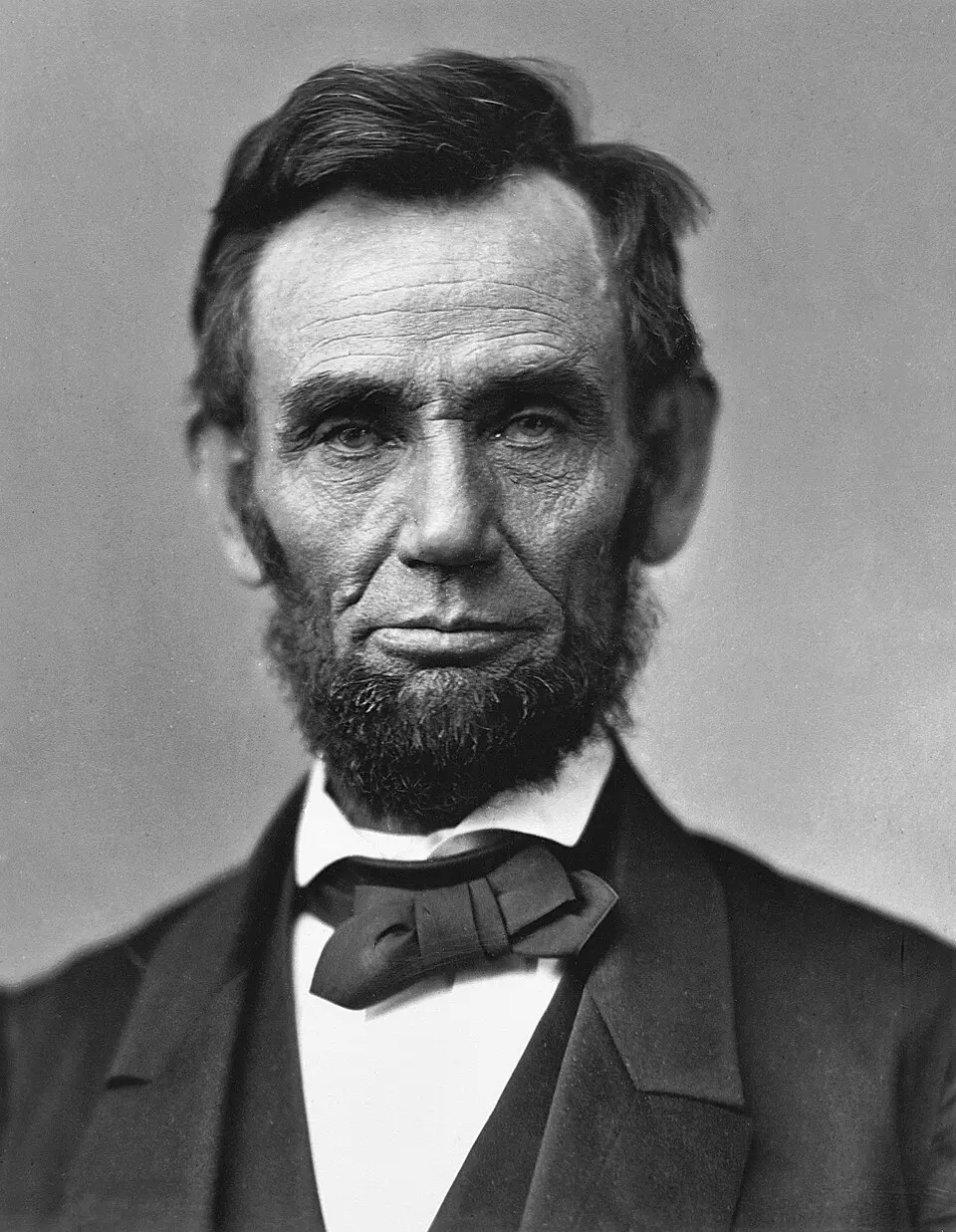
Stop slavery’s spread, or abolish it?
The early Republican Party promised to keep slavery out of the territories, not to abolish it where it already existed, which most Americans then believed the Constitution left to the states. Abolitionists and Republicans disagreed sharply over whether that program was enough.
Free-soil Republicans
Leaders such as Lincoln argued that Congress could and should bar slavery from the territories, that the founders had tolerated slavery as a necessity while expecting its decline, and that stopping its spread would place it “in course of ultimate extinction.” They pledged not to interfere with slavery in the states, which they believed the federal government had no constitutional power to do.
Abolitionists
Abolitionists such as William Lloyd Garrison and Frederick Douglass regarded non-extension as a half-measure that left millions in bondage. Garrison’s followers condemned the Constitution itself as a compact with slavery, while Douglass came to argue that the Constitution, rightly read, was an antislavery charter. Many criticized Republicans for declining to challenge the Fugitive Slave Act and for appealing to Northern voters who opposed slavery’s spread but also opposed racial equality.
Historians
Many historians note that both North and South understood containment as a long-term threat to slavery, one reason Lincoln’s election led directly to secession. Others emphasize the limits of free-soil thinking, which at times sought to reserve the West for white settlers.
Sources
- House Divided Speech · National Park Service, Lincoln Home National Historic Site