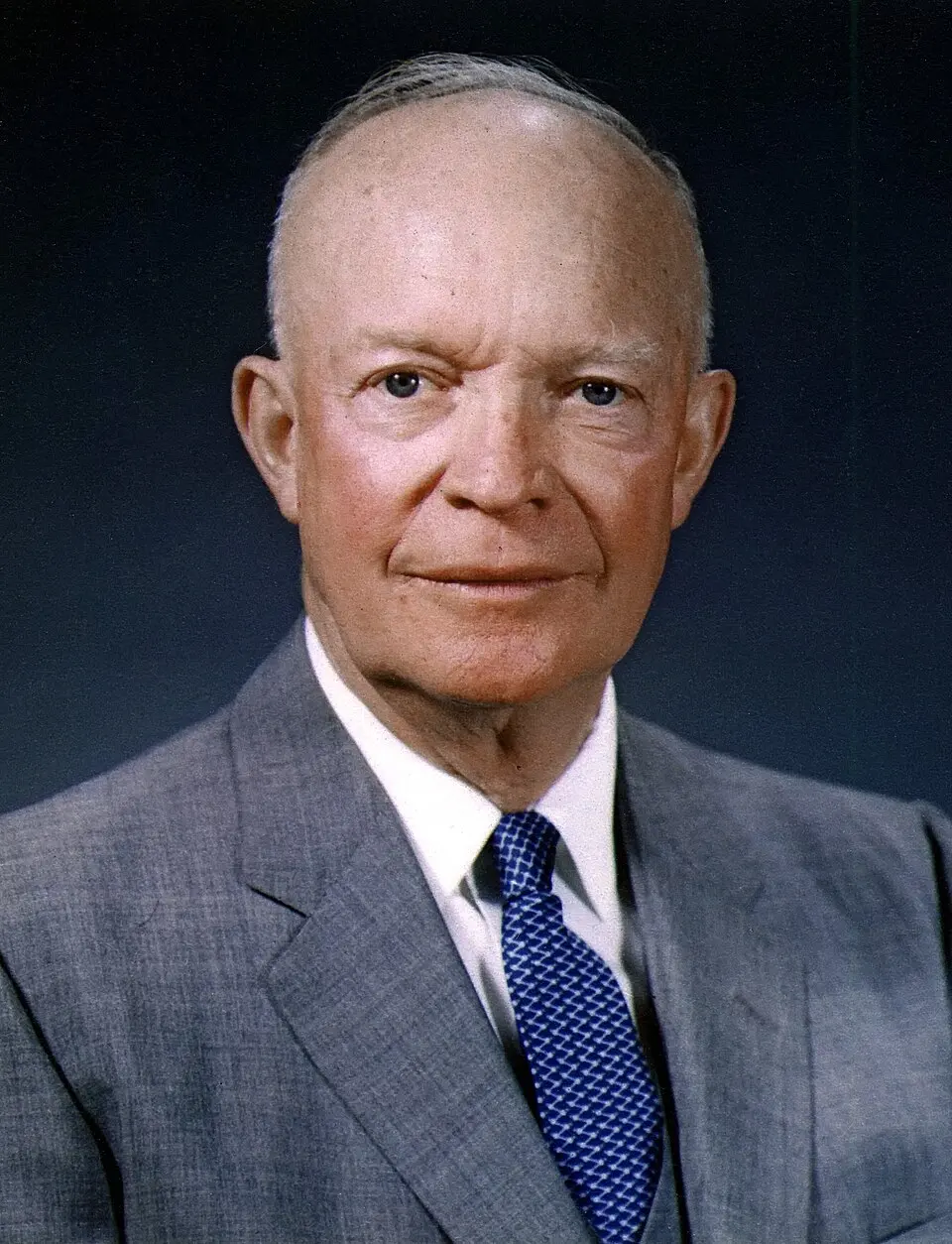
Modern Republicanism or a conservative alternative?
Eisenhower’s acceptance of the New Deal’s core programs and of permanent international commitments divided Republicans who had spent twenty years opposing both.
Eisenhower Republicans
Eisenhower and allies such as Dewey, Henry Cabot Lodge Jr. and later Nelson Rockefeller argued that the party could win and govern only by accepting Social Security and other established programs, balancing budgets and leading the free world through NATO and other alliances—an outlook Eisenhower called “Modern Republicanism.”
Taft Republicans and the new conservatives
Taft’s followers had long opposed the growth of federal power and questioned permanent overseas commitments; Taft himself voted against the North Atlantic Treaty. By the late 1950s Goldwater, National Review and the young activists of the Sharon Statement argued that “me-too” Republicanism conceded too much to liberalism, and many conservatives saw Nixon’s 1960 platform agreement with Rockefeller as a surrender.
Historians
Historians see the 1950s as the decade in which the modern conservative movement organized largely outside the party’s leadership, setting up the contest for the nomination that Goldwater won in 1964.
Sources
- Dwight D. Eisenhower: Domestic Affairs · Miller Center, University of Virginia