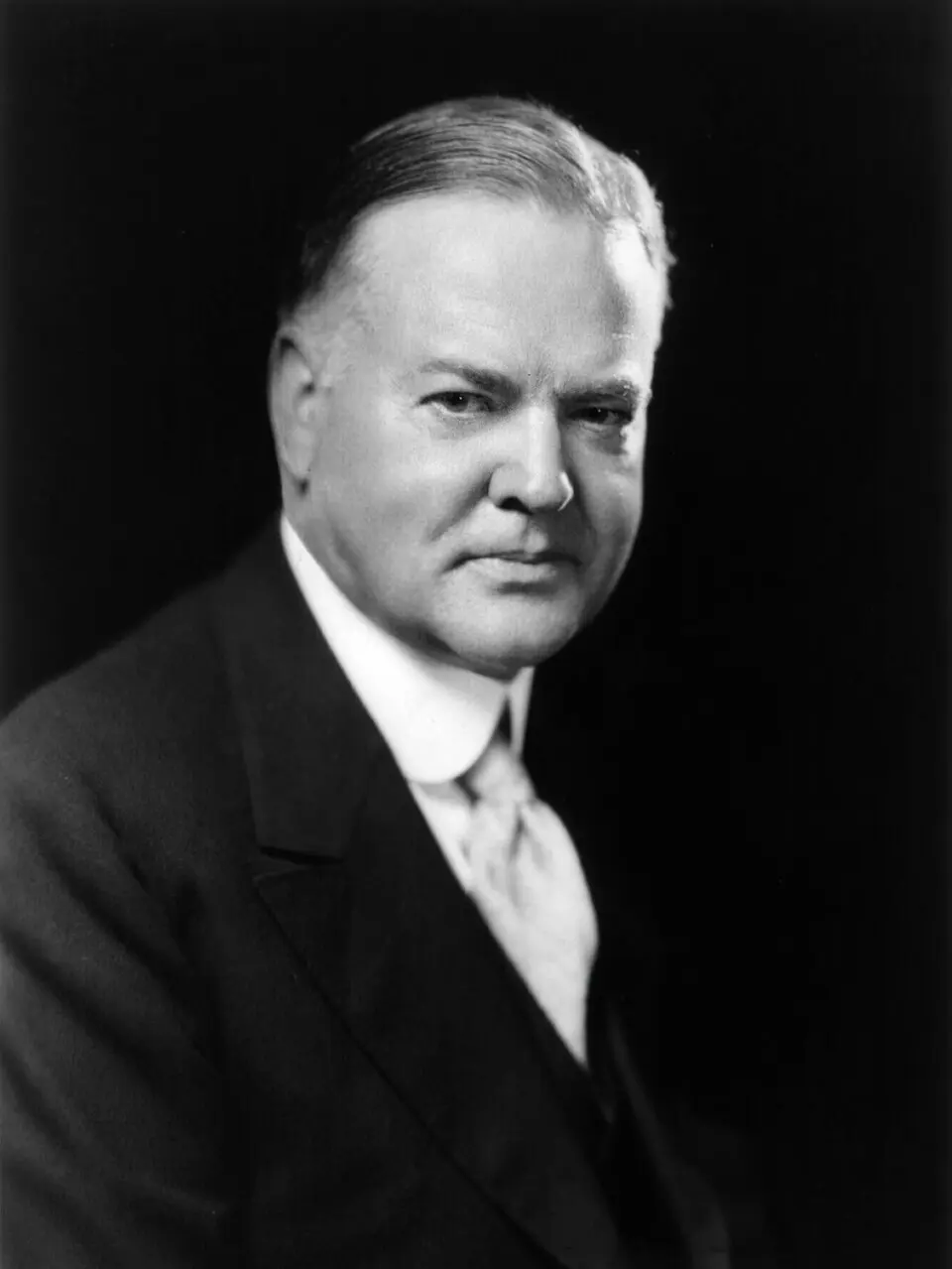
Did Hoover do too little — or too much — to fight the Depression?
Hoover’s response to the Depression has been judged harshly from both the left and the right.
The New Deal critique
Franklin Roosevelt and generations of historians portrayed Hoover as bound by voluntarism and balanced budgets, unwilling to provide direct federal relief to the unemployed while the crisis deepened.
Revisionists
Other historians emphasize that Hoover was far more interventionist than any earlier president — the RFC, public works and farm programs anticipated parts of the New Deal — and that his efforts were overwhelmed by a worldwide banking collapse.
Free-market critics
Economists and historians in the free-market tradition argue that Hoover intervened too much: pressing employers to hold wages up, raising tariffs through Smoot–Hawley and sharply increasing taxes in 1932 deepened the downturn.
Sources
- Herbert Hoover: Domestic Affairs · Miller Center, University of Virginia