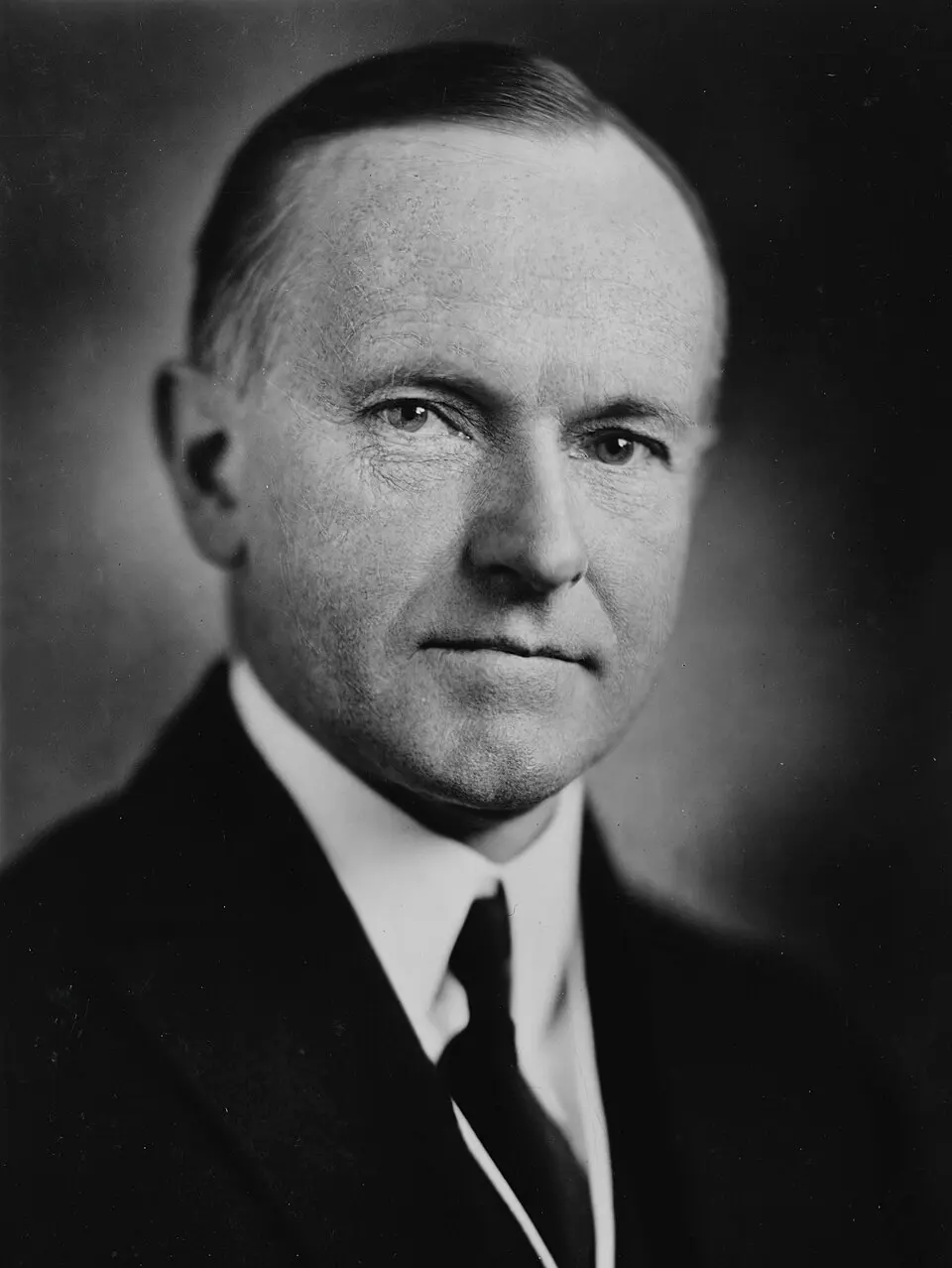
Did Coolidge’s policies lay the groundwork for the Great Depression?
Coolidge left office in March 1929 at the height of the decade’s prosperity; the stock market crashed that October.
Critics
Critics argue that the administration’s faith in business and its tax cuts for high earners fed speculation and inequality, that it ignored a long depression in agriculture, and that weak oversight of banking and credit left the economy vulnerable.
Defenders
Admirers credit Coolidge with rising incomes, low unemployment, falling debt and restraint in government, and argue that the Depression’s depth owed more to Federal Reserve policy, the 1930 tariff and the tax increases enacted after he left office.
Sources
- Calvin Coolidge: Domestic Affairs · Miller Center, University of Virginia